
What Is Degenerative Scoliosis and How Is It Treated?
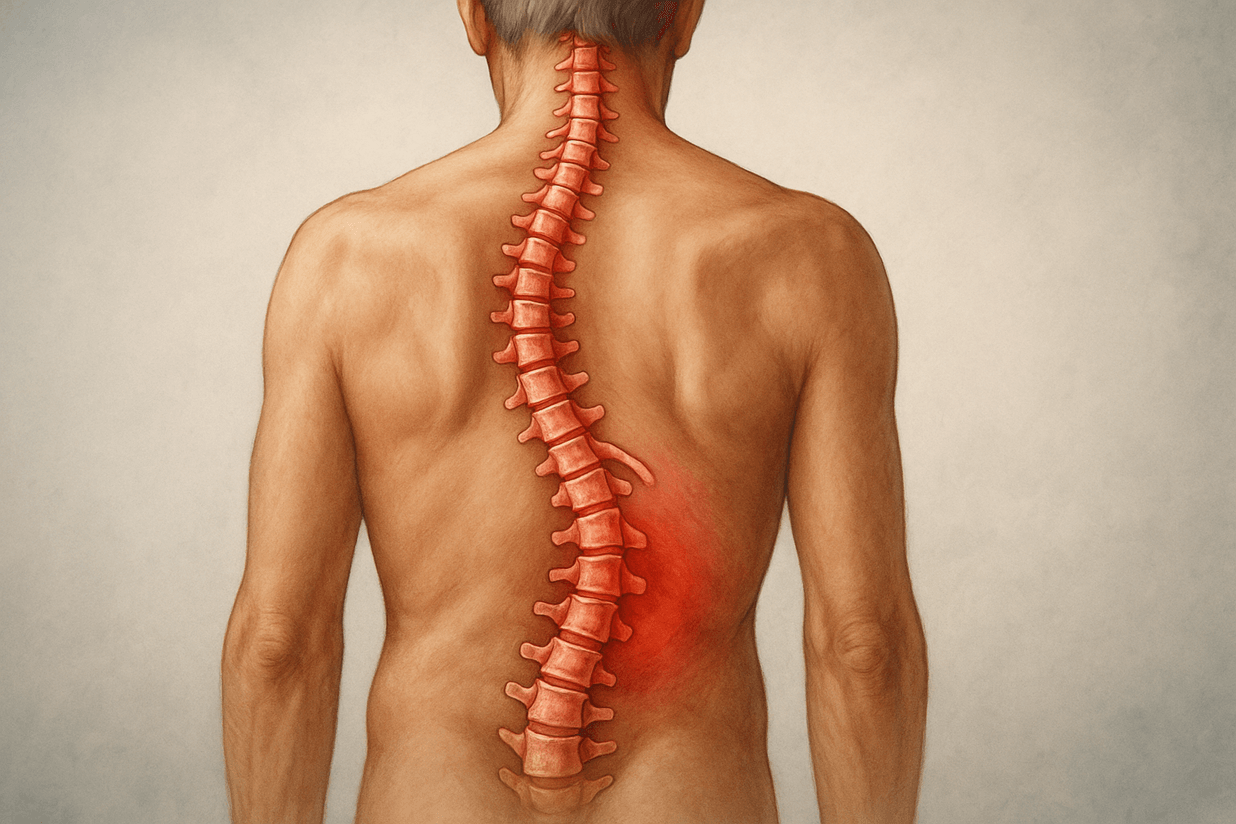
Degenerative scoliosis is an age-related condition that affects the spine, often causing pain and changes in posture. It’s different from the scoliosis seen in children and teens and usually develops later in life.
If you’re wondering what degenerative scoliosis is, what symptoms to look out for, or what treatment options are available, this guide will walk you through everything you need to know.
What Is Degenerative Scoliosis?
Degenerative scoliosis is a sideways curve of the spine that develops in adults, usually as a result of wear and tear on the spinal discs and joints. Unlike adolescent scoliosis, which is often detected during growth spurts, degenerative scoliosis develops later in life due to changes in the spine’s structure.
This condition is sometimes linked with degenerative disc disease and scoliosis, where disc breakdown and joint arthritis cause the spine to shift and curve abnormally.

Who Is Affected?
- Most common in adults over the age of 50
- More often seen in women due to bone density loss after menopause
- Sometimes called adult degenerative scoliosis
Causes and Risk Factors
Age-Related Changes
The main cause is the natural aging of the spine. Over time, spinal discs lose height and flexibility. This process, known as degenerative disc disease, can cause instability and lead to scoliosis. Facet joint arthritis (wear-and-tear in the small joints of the spine) also contributes to curvature.
Lifestyle & Health Factors
- Poor posture over many years
- Osteoporosis and reduced bone strength
- Spinal injuries or surgeries
- A genetic predisposition to spine problems
Degenerative Scoliosis Symptoms
Common Signs
- Persistent lower back pain
- Sideways spinal curvature, usually in the lower back (lumbar spine)
- Tingling, numbness, or pain in the legs caused by nerve compression
Impact on Daily Life
- Trouble standing or walking for long periods
- Reduced flexibility and mobility
- A feeling of imbalance when moving
Recognizing these degenerative scoliosis symptoms early can help patients and doctors choose the most effective treatment plan.
Diagnosis: How Degenerative Scoliosis Is Identified
Clinical Evaluation
A doctor will start with a physical exam, checking posture, spinal alignment, flexibility, and any signs of nerve involvement.
Imaging Tests
- X-rays to measure the curve of the spine
- MRI or CT scans help doctors see if the spinal canal is narrowed or if spinal nerves are being compressed.
- Imaging also helps track whether the curve is worsening
Non-Surgical Degenerative Scoliosis Treatment
Physical Therapy & Exercise
Movement is a key part of treatment. Physical therapy strengthens the core, improves posture, and helps support the spine. Low-impact exercises such as swimming, walking, or yoga can also improve mobility without putting too much strain on the back.
Pain Management
- NSAIDs (over-the-counter anti-inflammatory medications)
- Prescription medications for severe pain relief
- Epidural steroid injections to reduce inflammation around nerves
Supportive Approaches
- Bracing may help improve posture and relieve discomfort (though it won’t correct the curve itself)
- Adjusting activities to avoid heavy lifting or prolonged sitting
These options are often the first step when deciding what is the treatment for degenerative scoliosis.
When Surgery Is Considered
Indications for Surgery
Surgery may be recommended if:
- The spinal curve is progressing
- Severe nerve compression causes leg weakness or numbness
- Pain becomes disabling and doesn’t improve with non-surgical treatments
- Surgery is more likely if severe spinal stenosis develops, leading to significant nerve compression or loss of mobility.
Risks of Delaying Surgery
Waiting too long may allow the curve to worsen or lead to permanent nerve damage.
Surgical Options for Degenerative Scoliosis Treatment
Spinal Fusion Surgery
Spinal fusion is a common surgical treatment for degenerative scoliosis. In this procedure, two or more vertebrae are joined using bone grafts, rods, or screws to stabilize the spine and prevent curve progression.
In some cases, minimally invasive surgery allows the fusion to be done through smaller incisions, which can lower infection risk, reduce blood loss, and shorten recovery while still providing lasting stability.
Decompression Surgery
Removes and relieves pressure from the nerve roots, often combined with fusion to maintain stability.
Risks & Recovery
- Potential Risks: infection, blood loss, or complications with spinal hardware
- Recovery may take several months and includes physical therapy
- Most patients see significant improvement in pain and function
Living with Degenerative Scoliosis
Daily Management
- Gentle stretching and strengthening exercises
- Spine-friendly habits, such as using supportive chairs and practicing good posture
- Maintaining a healthy weight to reduce pressure on the spine
Long-Term Outlook
With the right treatment plan, many patients with degenerative scoliosis are able to stay active and independent. Regular checkups allow doctors to monitor changes in the spine and catch problems early, such as narrowing of the spinal canal or worsening nerve compression.
Consistent care, including exercise, posture awareness, and healthy lifestyle habits, can greatly relieve pain and slow curve progression. While the condition doesn’t go away completely, staying proactive helps most patients maintain mobility, protect their quality of life, and continue doing the activities they enjoy.
When to See a Specialist
Red Flag Symptoms
- Worsening back or leg pain
- Sudden weakness, numbness, or loss of mobility
- Rapidly increasing spinal curvature
Benefits of Early Intervention
Getting evaluated by a spine specialist as soon as symptoms appear can make a big difference. Early intervention helps slow the progression of degenerative scoliosis, reduces the risk of nerve damage in the spinal cord, and opens up more treatment options.
In many cases, starting with conservative care such as physical therapy and pain management can control symptoms effectively and delay or even prevent the need for degenerative scoliosis surgery.
If surgery does become necessary, addressing the condition earlier often leads to smoother procedures and better long-term results.
Conclusion
Degenerative scoliosis is a condition that develops as the spine ages, often linked with spinal degeneration and arthritis. While it can be painful and limiting, both non-surgical and surgical treatments are available to help manage symptoms and improve quality of life.
If you’re wondering what are the stages of degenerative scoliosis are or exploring your options for care, the best step is to talk with a specialist. At OPA Ortho, expert teams can help manage, treat, and diagnose degenerative scoliosis so you can move forward with confidence and support.