
Patellofemoral Pain Syndrome (PFPS): What It Is & How to Treat It
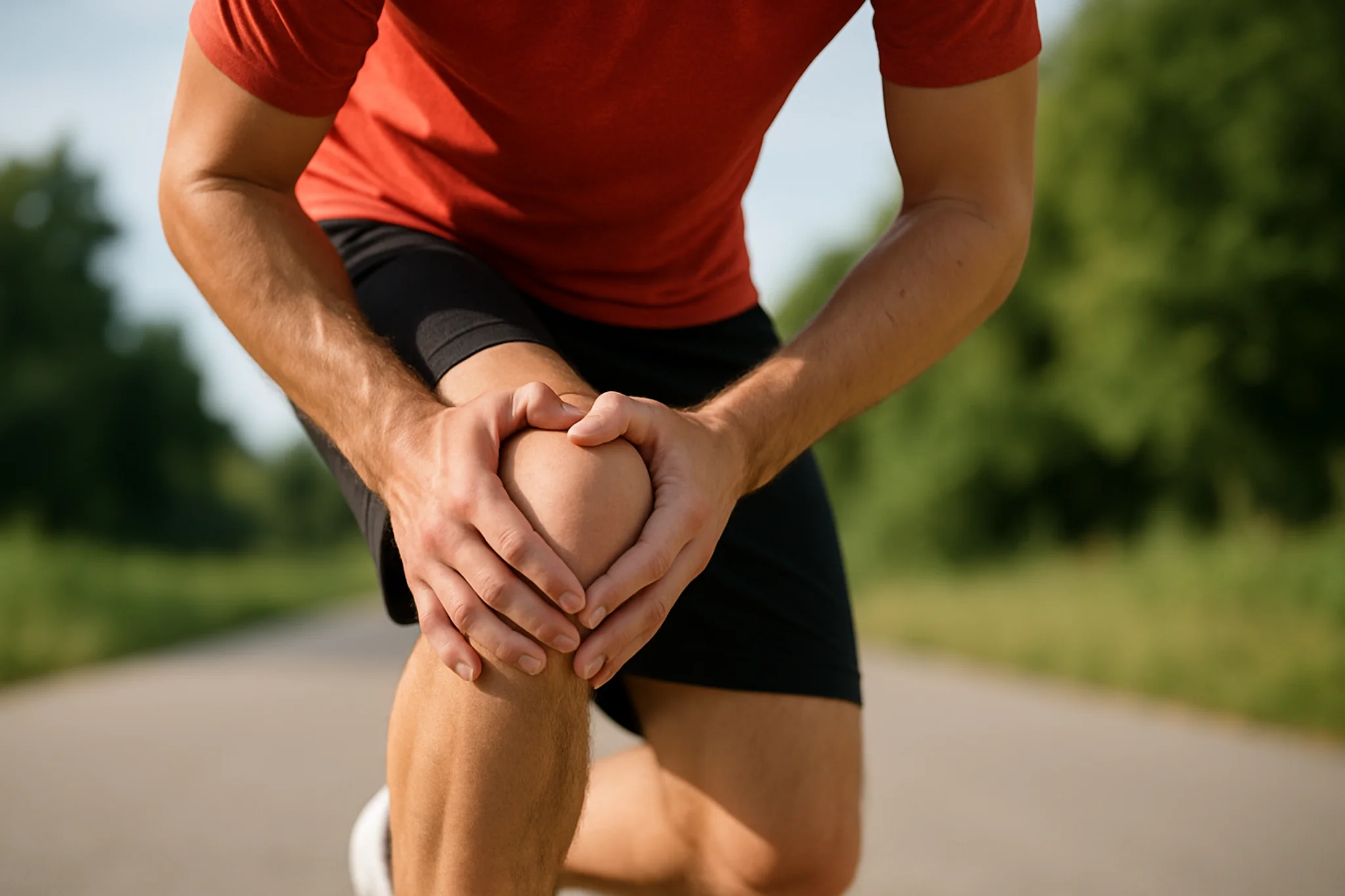
Patellofemoral Pain Syndrome (PFPS), often called runner’s knee, is one of the most common causes of knee pain around the kneecap. People with PFPS typically notice a dull, aching discomfort at the front of the knee, especially during activities like running, climbing stairs, or squatting.
Even sitting too long with your knees bent can make symptoms flare, sometimes called “moviegoer’s knee.” The condition can feel frustrating because symptoms are real, but imaging, like X-rays or MRIs, often looks normal. The good news: PFPS treatment is highly effective, and most people improve with the right combination of rest, exercises, and gradual activity changes.
This guide explains what PFPS is, the most common PFPS causes, PFPS symptoms, how PFPS diagnosis works, and how to treat PFPS safely at home or with professional care. You’ll also learn helpful PFPS exercises, stretches, prevention tips, and when to see a doctor.
What Is Patellofemoral Pain Syndrome (PFPS)?
PFPS occurs when the patella (kneecap) doesn’t move smoothly in its groove on the femur (thigh bone). Instead of gliding evenly, the kneecap may track slightly off-center. This increases pressure and irritation in the soft tissues around the patellofemoral joint.
Because the patellofemoral knee joint absorbs force every time you bend your knee, small alignment or strength issues can lead to pain during daily movement. PFPS is especially common in runners, athletes, active adults, and teens, but anyone can develop it.
Common Causes of PFPS
PFPS doesn’t have one single cause. Instead, it usually develops from a combination of mechanical and training factors. The most common include:
Overuse or Training Errors
- Running or jumping frequently
- Rapid mileage increases
- Climbing stairs or hiking steep hills
- Sudden return to high-impact exercise
Muscle Weakness or Imbalance
- Weak quadriceps, especially the muscles that help keep the kneecap centered
- Weak glutes or hip stabilizers allow the knee to “cave inward.”
- Reduced core stability affecting knee alignment
Tight Muscles
- Hamstrings
- Calves
- IT band
These can pull on the kneecap and affect its tracking.
Foot Mechanics
- Flat feet or over-pronation
- Worn or unsupportive footwear
Other Contributing Factors
- Sudden increase in activity
- Past knee injury
- Poor movement form with squats, lunges, or running
PFPS Symptoms: What People Commonly Notice
People with PFPS often describe:
Core patellofemoral pain syndrome symptoms
- Pain at the front of the knee or around the kneecap
- Pain with running, squatting, or climbing stairs
- Pain after sitting for long periods
- Clicking, grinding, or a “crunchy” sensation
Other common PFPS symptoms
- Tenderness when pressing on the kneecap
- Discomfort walking downhill
- Pain that improves with rest but returns with activity
Symptoms can vary day to day, especially with changes in activity level or footwear.
PFPS Diagnosis: How It’s Confirmed
There isn’t a single “PFPS test.” Instead, diagnosis is based on your symptoms and a physical examination.
Clinicians typically evaluate:
- Your activity level and when pain occurs
- How does your kneecap track during bending and straightening
- Strength of your quads, hips, and glutes
- Flexibility of the hamstrings, IT band, and calves
- Foot posture and overall alignment
Imaging (like X-ray or MRI) may be used to rule out other knee conditions, but PFPS often appears normal on scans.
How to Treat PFPS
PFPS usually improves with a combination of rest, strengthening, stretching, and gradual return to activity. Here are the most effective PFPS treatment options:
Short-Term Relief
- Reduce or pause painful activities
- Ice the knee after exercise
- Use over-the-counter anti-inflammatory medication if advised
Physical Therapy
Physical therapy is one of the most proven treatments. A therapist can guide strengthening, mobility work, and movement training.
Strengthening for PFPS
Targeting hips and thighs is key. Recommended exercises include:
- Straight leg raises
- Clamshells
- Hip abduction exercises
- Wall sits
- Step-downs
These PFPS exercises improve kneecap tracking and relieve pain over time.
Stretching for PFPS
Helpful PFPS stretches include:
- Hamstring stretches
- Calf stretches
- IT band stretches
- Hip flexor stretches
Regular stretching helps reduce tension that pulls on the kneecap.
Taping and Foot Support
Some people benefit from:
- PFPS taping (kinesiology tape or patellar taping techniques)
- Temporary use of a patellar brace
- Shoe inserts or orthotics for flat feet
Taping can help with alignment, but it works best as part of a full treatment plan.
PFPS Recovery Time: What to Expect
Recovery varies, but typical timelines include:
- Mild cases: 2–4 weeks
- Moderate cases: 6–8 weeks
- Chronic or severe cases: 2–3+ months
Consistency with strengthening and gradual activity increases is the biggest factor in long-term improvement.
How to Prevent PFPS
Even after symptoms improve, maintaining good knee alignment and strength can help prevent flare-ups.
Helpful prevention tips
- Increase running or training duration gradually
- Strengthen the hips, glutes, and quadriceps
- Warm up and cool down before and after exercise
- Replace worn-out shoes regularly
- Avoid steep hills or uneven terrain during recovery
When to See a Doctor
Seek medical care if you notice:
- Persistent pain despite rest
- Swelling or instability
- Difficulty bearing weight
- Symptoms lasting longer than several weeks
- Concern for cartilage damage or another injury
An orthopedic specialist can evaluate your knee, create a personalized PFPS treatment plan, and guide your return to activity.
The Bottom Line
Patellofemoral Pain Syndrome is common, manageable, and highly treatable. Understanding what PFPS is, recognizing early PFPS symptoms, and following a structured plan of strengthening, stretching, and gradual return to movement can help most people recover fully.
With the right approach, active individuals, including runners, can return to the activities they love without ongoing pain. If anterior knee pain around the kneecap is affecting your daily life or workouts, consider consulting an orthopedic specialist for a personalized recovery plan.