
Avoiding Surgery for Joint Pain: Your Treatment Options Explained
Someone told you your joint pain might mean surgery, and now you can’t stop thinking about it. Maybe it’s a knee that aches on every stair, a hip that stiffens after you sit, or a shoulder that catches when you reach. Here’s the reassuring part. For most people, you can avoid surgery for joint pain, at least as a first step. The board-certified orthopedic team at OPA Ortho treats knees, hips, shoulders, and more, and we usually start with the least invasive option that fits your case.
Is Surgery Always Necessary for Joint Pain?
No. Surgery is rarely the first thing a good orthopedist reaches for. Most joint problems respond to conservative care, especially when you catch them early. An accurate diagnosis comes first, because the right plan for arthritis looks nothing like the right plan for a strained tendon. From there, treatment gets built around you. We consider your age, your activity, and how much the pain limits your day. Plenty of patients get real relief and never need an operation. For them, the plan to avoid surgery for joint pain rests on conservative care that starts early. Some do eventually need surgery, and that’s fine too.
What Non-Surgical Treatments Can Help Relieve Joint Pain?
The menu is bigger than most people expect. A good non surgical treatment for joint pain usually blends a few of these, guided by what your exam and imaging actually show. Most joint pain treatment without surgery works this way, one option supporting the next.
Physical Therapy for Joint Pain

This is the workhorse. A therapist gives you targeted exercises that build the muscles around the joint, improve how it moves, and take load off the sore spot. Stronger support around a knee or hip can quiet pain that felt structural but wasn’t.
Activity Modification
Small changes add up. Swapping a pounding workout for swimming or cycling, fixing your desk setup, or spacing out repetitive tasks can settle a flare with no pill or needle at all.
Medications
Over-the-counter anti-inflammatories (NSAIDs) and topical gels can calm pain enough to let you move and sleep. They manage symptoms rather than repair the joint, so we use them as part of a plan.
Injections for Joint Pain (Including PRP)
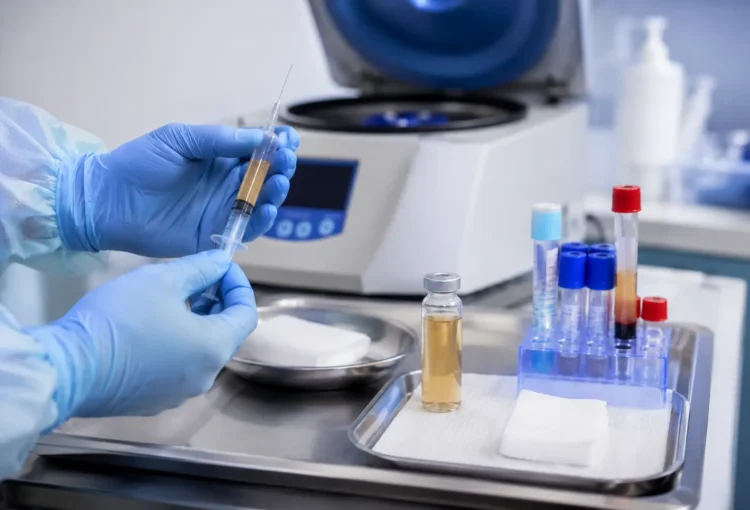
When pain won’t settle, injections for joint pain can help. Corticosteroid shots quiet stubborn inflammation for weeks or months. Some joints respond to hyaluronic acid, which adds cushioning. PRP for joint pain uses a concentrate from your own blood to support healing, though the evidence is mixed and it isn’t right for everyone.
Lifestyle Changes
Losing even a little weight lightens the load on knees and hips with every step. Regular movement, gentle stretching, and quitting smoking all give your joints a better shot at healing.
Which Joint Conditions Can Often Be Treated Without Surgery?
Not every joint problem needs an operating room. Here’s a quick look at conditions that often improve with non-surgical care, and what tends to help.
| Condition | Often responds to non-surgical care? | What usually helps |
|---|---|---|
| Osteoarthritis (knee, hip, shoulder) | Yes, especially early | PT, weight management, injections |
| Tendinitis and bursitis | Usually | Rest, activity changes, anti-inflammatories |
| Rotator cuff irritation | Often | PT, cortisone, load management |
| Mild ligament sprains | Usually | Bracing, PT, staged return |
| Early cartilage wear | Often | PT, PRP for joint pain, lifestyle changes |
Treating knee pain without surgery, or handling hip pain treatment without surgery, is a realistic first goal for many of these. Good conservative care can even serve as one of the real alternatives to joint replacement for a while. Can arthritis be treated without surgery? In a lot of cases, yes, at least for a good stretch of time.
When Might Surgery Be the Best Option?
Sometimes surgery is the smarter path, and pretending otherwise would do you no favors. It moves up the list when arthritis is severe and bone grinds on bone, when a ligament is fully torn, when there’s a fracture or the joint keeps giving way, or when months of honest conservative care haven’t moved the needle. A big loss of function counts too. Knowing when is surgery necessary for joint pain, versus when waiting is safe, is part of the job. Wanting to avoid surgery for joint pain is reasonable, and orthopedic treatments without surgery handle most cases. We don’t chase surgery, and we don’t dodge it. The aim is the treatment that gives you the best result over the long run, whatever that turns out to be.
How an Orthopedic Specialist Helps You Decide
This is where a real evaluation makes the difference. A specialist examines the joint, orders imaging when it’s needed, and pins down what’s actually driving the pain. Then you build a plan together, weighing what you want from your knee, hip, or shoulder against what the joint can realistically do. That shared decision is the point. You walk out clear on what your choices are and where you stand.
Frequently Asked Questions
Can joint pain go away without surgery?
Often, yes. Plenty of joint pain eases with therapy, movement changes, and time, especially when you start early. Pain that keeps worsening or wakes you at night is your cue to get it checked.
What is the best non-surgical treatment for joint pain?
There isn’t one winner. Physical therapy does the heavy lifting for most people, and it pairs well with weight management, activity changes, and the right injection when the joint needs it.
How do I know if I need surgery?
When conservative care stops helping, the joint keeps failing, or function drops enough to change your daily life. A specialist can tell you where you stand.
Can physical therapy prevent surgery?
For many patients, yes. Building strength and better movement around a joint can hold off, or even replace, an operation. It works best when you stick with it.
Are injections a good alternative to surgery?
They can be. Injections won’t rebuild a worn-out joint, but they can buy real relief and keep you moving while other treatments do their work.
Joint pain rarely means you’re headed straight to the operating room. For most people, the first move to avoid surgery for joint pain is the least invasive option that fits, and a good evaluation tells you which one that is.
If the pain keeps interrupting your day, a quick evaluation with OPA Ortho is a smart next step. You can request an appointment here.