
What Is Radio (Radial) Shockwave Therapy
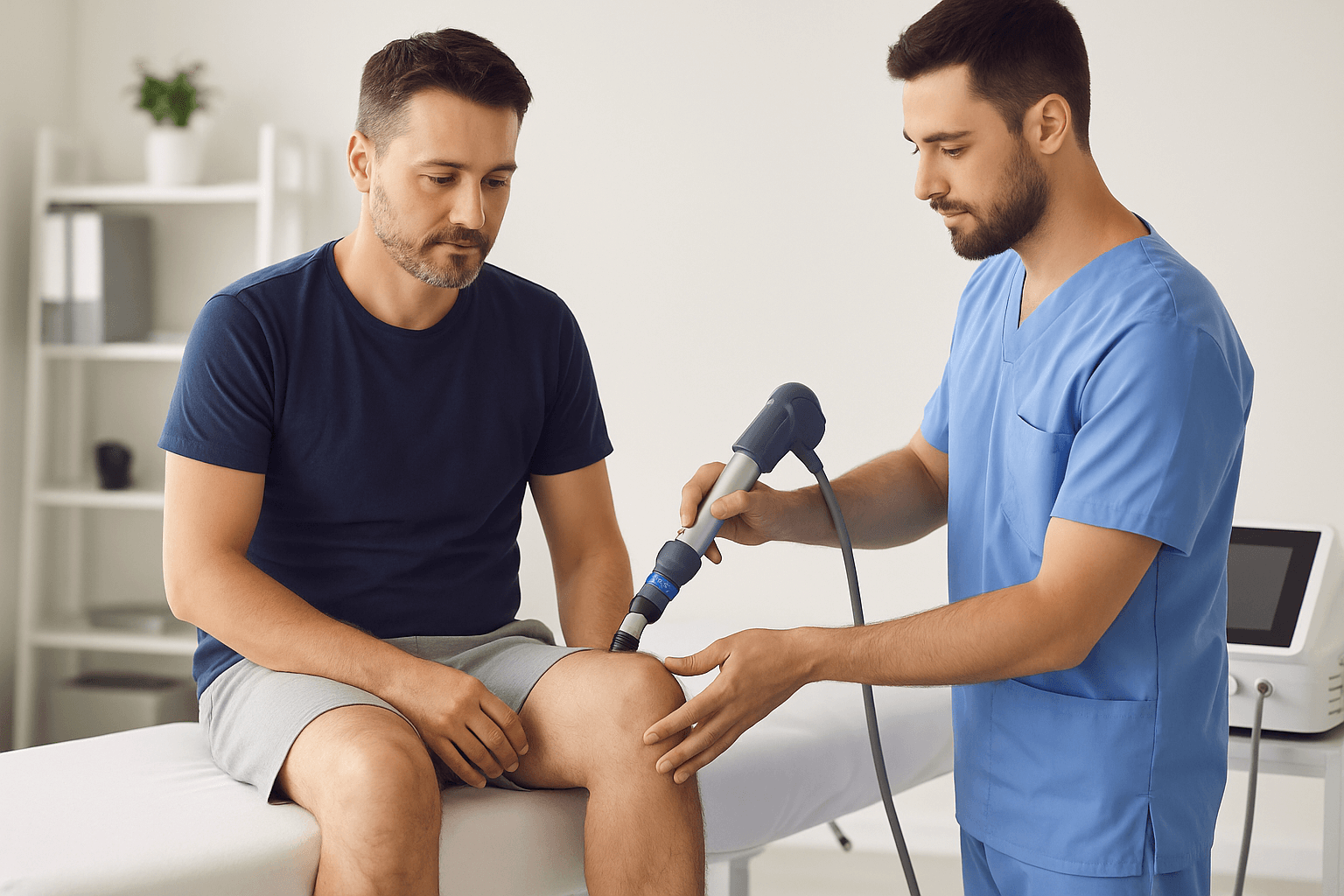
Radio (radial) shockwave therapy is changing the way people recover from chronic pain and musculoskeletal injuries. This non-surgical, noninvasive treatment uses sound waves, rather than surgery or medication, to help the body heal naturally.
At OPA Ortho, we use shockwave therapy services to help patients overcome long-lasting tendon, ligament, and muscle pain so they can move freely again. This guide explains what radio shockwave therapy is, how it works, what it treats, and what to expect from treatment and recovery.
Understanding Radio (Radial) Shockwave Therapy
What It Is
Radio shockwave therapy, also known as radial shock wave therapy (RSWT), is a type of extracorporeal shock wave therapy (ESWT). “Extracorporeal” simply means “outside the body.”
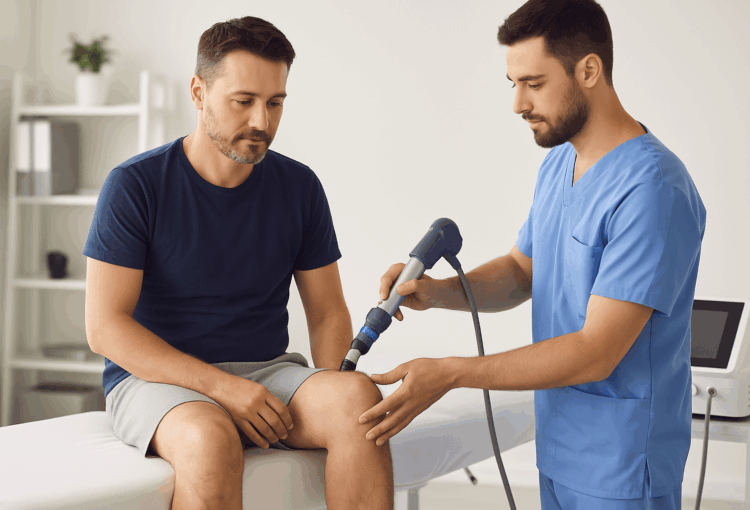
In RSWT, a handheld device delivers high-energy acoustic pressure waves into painful or damaged tissue.
These sound waves stimulate blood flow, reduce inflammation, and jumpstart the body’s natural healing response. Unlike surgery or injections, shockwave therapy works by activating the body’s own repair mechanisms, with no incisions, no anesthesia, and no long downtime.
How It Differs from Other Therapies
Radial shockwave therapy differs from focused shockwave therapy in how the energy is delivered.
- Radial therapy spreads lower-energy waves over a wider area, making it ideal for surface-level or broad tendon injuries.
- Focused therapy sends higher-energy waves deeper into tissues, targeting pinpoint areas.
Both are valuable tools in modern rehabilitation, and your provider will choose the best type based on your condition and comfort level.
How Shockwave Therapy Works
The Science Behind It
During treatment, the device produces short bursts of sound energy that travel into your muscles, tendons, or ligaments. These controlled acoustic pulses create gentle “microtrauma” within the tissue, just enough to stimulate repair, not enough to cause harm.
This process:
- Increases blood circulation to the injured area
- Breaks down calcifications or scar tissue
- Stimulates collagen production, which strengthens connective tissue
- Reduces pain by calming overactive nerve endings
Over time, this helps your body replace damaged tissue with healthy, strong fibers.
Evidence and Research
Medical studies, including those published by the Mayo Clinic and NIH, show that extracorporeal shockwave therapy can accelerate healing and relieve pain for many chronic conditions. It’s now widely used by orthopedic specialists, sports medicine professionals, and physical therapists around the world.
Conditions Treated with Radio Shockwave Therapy
Common Musculoskeletal Disorders
Shockwave therapy is particularly effective for long-term or overuse injuries where traditional treatments haven’t worked.
It’s frequently used for:
- Tendinopathies, such as Achilles, patellar, or rotator cuff tendon injuries
- Plantar fasciitis, one of the most common causes of heel pain
- Tennis or golfer’s elbow (lateral and medial epicondylitis)
- Shoulder, hip, or knee pain caused by chronic strain
In fact, shockwave therapy for tendinopathy and shockwave therapy for plantar fasciitis are among the most evidence-supported uses, often helping patients avoid surgery altogether.
Other Applications
Emerging uses include myofascial pain syndrome, calcific tendinitis, and trigger point relief.
Patients recovering from sports injuries or repetitive strain often report less stiffness, better range of motion, and faster return to activity after completing treatment.
The Shockwave Therapy Treatment Process
What to Expect
The shockwave therapy treatment process is straightforward and takes place right in your provider’s office.
Before Treatment:
Your provider identifies the treatment area through examination or imaging. No special preparation is required; simply wear comfortable clothing.
During Treatment:
- A small amount of gel is applied to the skin to help the device transmit sound waves efficiently.
- The handheld applicator delivers controlled pulses to the target area.
- You may feel a tapping sensation or mild discomfort, but the treatment is generally well-tolerated.
Sessions usually last 10 to 20 minutes, depending on the area treated.
Number of Sessions:
Most people need 3 to 6 treatments, spaced about one week apart. Chronic injuries may require additional sessions.
Aftercare and Recovery Time
Following treatment, it’s common to experience mild soreness or redness that fades within a day or two.
Avoid high-intensity exercise for 24–48 hours and follow your provider’s advice for stretching or rehabilitation exercises.
Most patients begin to notice improvement after two or three sessions, with continued progress over the following weeks as the healing process continues. Typical shockwave therapy recovery time ranges from a few days to several weeks, depending on the severity of the condition.
Benefits of Radial Extracorporeal Shockwave Therapy
Why Patients Choose It
The radial extracorporeal shockwave therapy benefits go beyond simple pain relief. They include:
- Non-invasive treatment with no anesthesia or downtime
- Natural stimulation of tissue repair
- Reduction of chronic pain and inflammation
- Improved mobility and function
- Minimal side effects and long-lasting results
Many patients choose RSWT because it helps the body heal, rather than just masking symptoms with medication.
Clinical Advantages
Studies show that shockwave therapy services can significantly reduce pain, restore function, and shorten rehabilitation time. It’s a safe, proven alternative for patients who haven’t found relief through physical therapy, rest, or injections.
Risks, Limitations, and Contraindications
When Shockwave Therapy May Not Be Appropriate
While safe for most patients, radio shockwave therapy may not be recommended for:
- Pregnant individuals
- Those with bleeding disorders or on anticoagulant medication
- People with active infections or tumors near the treatment site
- Patients with pacemakers or metal implants in the target area
Always consult with your provider to ensure it’s suitable for your specific health profile.
Possible Side Effects
Minor side effects can include:
- Temporary soreness or bruising
- Mild swelling or sensitivity
Serious complications are extremely rare when treatment is performed by a qualified medical professional.
Who Is a Good Candidate?
You may be a good candidate for shockwave therapy if you:
- Have chronic tendon or ligament pain lasting longer than six weeks
- Haven’t responded well to physical therapy or medication
- Want to avoid surgery or steroid injections
- They are generally healthy and able to follow post-treatment care recommendations
A consultation at OPA Ortho will help determine if radial shockwave therapy is right for your needs and goals.
Recovery and Long-Term Results
After completing the full course of treatments, most patients experience steady improvement in pain levels and mobility. Many report being able to return to work, sports, or daily activities that were previously limited by pain.
Because the therapy encourages real tissue regeneration, results tend to be long-lasting.
Following a structured rehab or stretching program can help maintain those benefits for the long term.
Frequently Asked Questions
Is shockwave therapy painful?
Most patients experience only slight discomfort, comparable to the pressure of a deep tissue massage. The intensity can easily be adjusted to ensure a comfortable experience.
How many treatments will I need?
Typically, 3–6 sessions are recommended depending on the condition and its severity.
Are the results permanent?
For many, results are long-lasting, especially when combined with physical therapy or strengthening exercises.
Are there any risks?
Side effects are minimal, especially when performed by a certified orthopedic or rehabilitation specialist.
The Bottom Line
Radio (radial) shockwave therapy offers a powerful, science-backed way to relieve chronic pain and restore mobility, without surgery or medication. By stimulating natural healing and improving circulation, it helps patients get back to the activities they love safely and effectively.
If you’re struggling with persistent tendon, muscle, or joint pain, talk to the experts at OPA Ortho to see whether shockwave therapy services are right for you.
Move better, feel stronger, and take the next step toward recovery, naturally.