
How to Choose the Right Orthopedic Doctor: A Patient’s Guide
Most of us have been there. Where something’s wrong with your knee. It’s been wrong for weeks. Or maybe your back finally crossed the line from annoying to alarming. You know you need to see somebody, but you typed “orthopedic doctor” into Google and got a wall of ads and five-star ratings that all blur together.
I’ve been a board-certified orthopedic physician at OPA Ortho for over thirty years. I hear the same thing from patients week after week. “I almost didn’t call because I couldn’t figure out who to call.” So let me walk you through how to choose an orthopedic doctor step by step. Which kind of specialist to look for. What credentials tell you something real. And the questions worth asking at that first appointment.
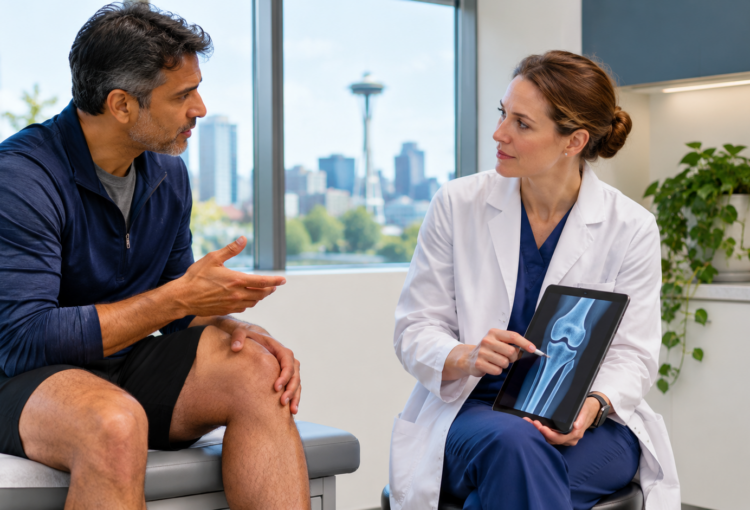 What Type of Orthopedist Do You Actually Need?
Here’s something most people miss entirely. There are different types of orthopedic doctors, and they don’t all do the same thing.
An orthopedic surgeon operates. Knees, shoulders, spines, ankles. A sports medicine physician treats a lot of the same injuries but works without cutting. Rehab programs. Injections. Bracing. A huge number of bone and joint problems get better without surgery at all. That surprises most patients.
So which one do you need? That depends on what’s going on with your body. If you’re wondering what an orthopedic doctor does in the first place, your primary care doctor can point you in the right direction. But if the pain showed up suddenly or it’s been getting worse for more than two weeks, go straight to an orthopedist. You don’t need to wait for a referral. Most orthopedists accept direct appointments.
One more thing. Most orthopedists focus on a single body region. An orthopedist who spends all day on shoulder injuries has seen your type of problem hundreds of times. That focus changes the diagnosis.
How to Check an Orthopedic Surgeon’s Credentials
Board certification is where you start. Is the orthopedic surgeon board-certified? That means they completed residency, passed a rigorous set of exams, and keep their education current. The thing is, “orthopedic” on a website doesn’t always mean board-certified. You can verify a surgeon’s board certification through the American Board of Orthopaedic Surgery. Takes thirty seconds.
Then look at fellowship training. That’s the extra year or two after residency where an orthopedic physician narrows in on one area. Sports medicine. Joint replacement. Pediatric orthopedics. A fellowship-trained orthopedic surgeon who spent two years on knee reconstruction will catch things that someone else might miss on the MRI.
Ask about volume. How often does this orthopedic doctor treat the specific condition you’re dealing with? A physician who handles torn rotator cuffs five days a week will give you a sharper assessment than one who sees them twice a month. Every orthopedic physician at OPA Ortho has their background listed on our meet our physicians page. Look before you call.
Why a Non-Surgical-First Approach Matters When Choosing an Orthopedic Doctor
Most of my patients walk in already half-convinced they need surgery. They’ve Googled their symptoms and read something that scared them.
Nine times out of ten, surgery isn’t the answer.
A good orthopedic doctor lays out every treatment option before even mentioning the operating room. If the first thing a doctor brings up is surgery and there’s no urgent structural damage behind it, that’s your signal to get a second opinion.
Look for a practice that keeps imaging, physical therapy, and pain management under one roof. I’ve seen too many patients waste weeks bouncing between three offices where nobody was talking about the same injury. When the orthopedic surgeon and the therapist and the imaging team all work together, you skip the runaround.

Finding an Orthopedic Doctor Near Me in Seattle
This one sounds like a small detail, but it’s actually a big deal. Follow-up visits and rehab sessions add up. Six or eight appointments over a couple months is typical. If your orthopedic doctor’s office is forty-five minutes away, you’re going to start skipping sessions the moment you feel a little better. That’s when recovery stalls. People who search for an orthopedic doctor near me are already thinking about this, and they’re right to.
Searching for an orthopedic doctor near me in the Seattle area? OPA Ortho has offices for orthopedic doctors in Seattle and orthopedic doctors in Bellevue. If you’re looking for an orthopedic surgeon near me in the Puget Sound region, the commute matters more than people realize.
I see patients who spent weeks searching for the best orthopedic surgeons in Seattle and ended up more confused than when they started. Forget “best.” What you want is an orthopedic surgeon in Seattle who treats your exact problem regularly and can get you in fast. Can the office see you this week? Do they offer orthopedic urgent care for a Saturday injury that can’t sit until Monday? Those are better questions.
One thing I wish more patients did before booking. Call your insurance. Confirm the orthopedic doctor and the facility are both in-network. I’ve watched people skip that step and regret it after the first bill showed up. Whether you’re searching for an orthopedic surgeon near me or orthopedic doctors near me in a specific part of town, ten minutes on the phone saves real money.
Read Reviews, But Read Them Right
Most of the reviews you’ll find online are useless on their own. “Great doctor!” with no detail tells you nothing. Neither does the one-star rant about the parking garage.
What actually helps? The same thing showing up across four or five reviews. Multiple patients saying the doctor listened. Took time to explain. Called back when promised. That kind of pattern is worth paying attention to. A single glowing review from somebody’s cousin? Not so much.
Think of reviews as a supplement to credentials. They add color. BUT they don’t replace qualifications.
Questions to Ask Your Orthopedic Doctor at the First Visit
Bring a list with you. Seriously. People forget half their questions the moment they sit on that exam table. Here are the ones I’d prioritize:
- What do you think is causing my pain? You should leave with a clear answer, even if the answer is “we need more imaging to be sure.”
- What are my non-surgical options? Pay attention to how the doctor responds here. A thorough answer tells you a lot about their philosophy.
- At what point would surgery become necessary? Knowing that threshold gives you something concrete to measure your progress against.
- What does recovery actually look like? Ask for an honest timeline. Weeks of PT? Months before you’re back to full activity?
- Who handles my follow-up care and rehab? One coordinated team under one roof is going to serve you better than a list of outside referrals.
- How soon can I be seen if things get worse? Access matters when pain flares up unexpectedly.
Choosing the Right Orthopedic Doctor Comes Down to Fit
Here’s what it really comes down to. The right orthopedic doctor has the training for your specific problem. They explore conservative treatment before bringing up surgery. Their office is close enough that follow-up appointments don’t become a chore. And when they explain your diagnosis, you walk out feeling like you actually understood what’s happening inside your body. Once those pieces line up, you stop overthinking and start getting better.
If you’re looking for orthopedic doctors near me in Seattle or Bellevue, OPA Ortho’s board-certified orthopedic physicians and orthopedic surgeons in Seattle treat everything from weekend sports injuries to full joint replacement. Meet our physicians or call us at (206) 386-2600 to schedule.