
Can an ACL Tear Heal Without Surgery?
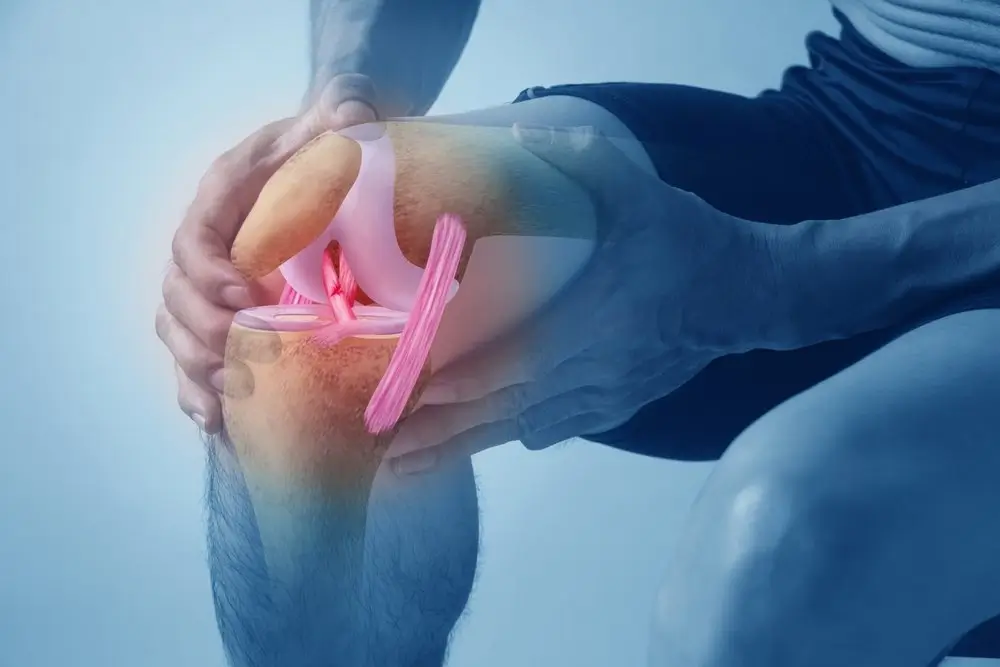
You heard a pop. Your knee swelled up fast. Now you’re sitting in front of a screen, wondering if surgery is your only option. Here’s the good news: not every ACL tear requires surgery.
Roughly 200,000 ACL reconstructions happen each year in the United States. But many patients find relief through ACL tear treatment without surgery, depending on the type of tear, their lifestyle, and their recovery goals.
This guide breaks down when non-surgical treatment works, what recovery looks like, and how to make the best decision for your knee.
Types of ACL Tears
ACL injuries fall into three grades. Understanding yours helps you and your doctor decide whether ACL tear treatment without surgery is a realistic option.
- Grade 1 (Mild Stretch): The ligament stretches but keeps the knee stable. Think of it like a rope that frayed slightly but still holds.
- Grade 2 (Partial Tear): The ligament is loosened and partially torn. Some structural support remains, which is key for non-surgical recovery.
- Grade 3 (Complete Tear): The ligament splits into two pieces. This was once considered impossible to heal without surgery, but recent research tells a different story.
Each grade comes with its own set of warning signs, from sudden swelling to that telltale pop during activity. If you are not sure which grade you are dealing with, our guide on torn ACL symptoms and diagnosis walks you through how these injuries happen and what to look for before your first doctor visit.
Can an ACL Tear Heal on Its Own?
The ACL has a limited blood supply compared to other ligaments, like the MCL (Medial Collateral Ligament). Less blood flow means slower, less reliable healing, which is why many people wonder whether an ACL can heal without surgery.
A 2022 study from the University of Melbourne, published in the British Journal of Sports Medicine, found that 53% of patients who did rehab only (no surgery) showed ACL healing on MRI at two years. These patients also reported better quality of life scores than those who had reconstruction.
Orthopedic specialists often group patients into two categories. Copers and non-copers. Copers develop enough muscular control (strong quads, hamstrings, and hip stabilizers) to keep their knee functional without a fully intact ACL. Non-copers experience repeated instability no matter how much they strengthen.
When Surgery May Not Be Needed
According to the American Academy of Orthopaedic Surgeons (AAOS), non-surgical treatment for ACL tear injuries can work well for:
- Partial tears with no instability symptoms
- People with low-demand lifestyles (walking, swimming, cycling) who do not play cutting or pivoting sports
- Older adults where surgical risks may outweigh the benefits (learn more about knee pain in older adults)
- Patients willing to modify their activity level and commit to structured rehabilitation
OPA Ortho offers a full range of non-surgical treatment for ACL tear designed around these exact situations.
ACL Tear Treatment Without Surgery (Here are Your Options)
Effective ACL tear treatment without surgery usually combines several approaches:
- RICE Method: Rest, ice, compression, and elevation during the first 48 to 72 hours to control swelling and protect the joint.
- Physical Therapy: The backbone of non-surgical ACL recovery. A therapist will focus on quad strengthening, hamstring work, hip stabilizers, and neuromuscular training to rebuild knee stability.
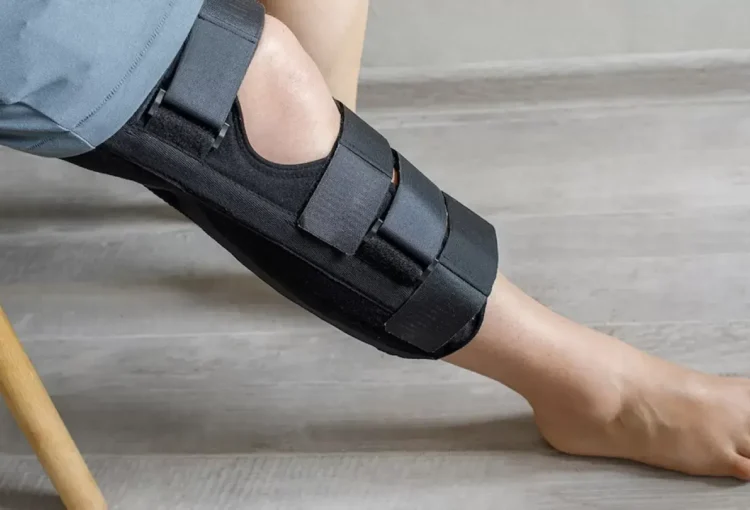
- Knee Bracing: A brace may offer extra support in the early weeks. However, research is mixed on whether bracing improves long-term outcomes.
- Anti-Inflammatory Medication: Over-the-counter options like ibuprofen can reduce pain and swelling. Always take these under your doctor’s guidance.
- Emerging Options: Platelet-rich plasma (PRP) therapy is showing early promise for tissue repair. While more research is needed, it represents a growing area of non-surgical ACL care.
Recovery Timeline Without Surgery
Partial ACL tear recovery without surgery generally takes three to six months. Your timeline depends on the grade of your tear and how consistent you are with rehab.
| Phase | Timeline | What to Expect |
| Protect | Weeks 1-2 | RICE protocol, crutches if needed, gentle range-of-motion exercises |
| Restore | Weeks 3-6 | Physical therapy begins with gentle strengthening, working toward full knee bending and straightening |
| Strengthen | Weeks 6-12 | Progressive resistance training, balance exercises, and low-impact activities like swimming and cycling |
| Return | Months 3-6+ | Gradual return to daily activities, sport-specific training if cleared, and ongoing maintenance exercises |
Younger patients and those who stay consistent with rehab tend to recover faster. Some people may have mild residual instability even after completing therapy.
Not sure which recovery path fits your situation? OPA Ortho’s knee conditions and treatments team can help you build a personalized plan.
P.S: Most patients exploring partial ACL tear recovery without surgery fall into the three-to-six-month window, though complete tears take longer.
When Surgery Is Recommended
Non-surgical recovery is not the right fit for everyone. Your doctor may recommend ACL reconstruction if:
- You have a complete tear with significant knee instability during everyday activities
- You play sports that involve cutting, pivoting, or jumping, and want to return to them
- You have combined injuries (ACL tear plus a meniscus or MCL tear)
- Your knee keeps buckling or giving out after months of physical therapy
Learn more about whether ACL reconstruction is right for you from OPA’s Dr. Christopher Wahl.
Risks of Avoiding Surgery
Choosing to manage an ACL tear without surgery comes with trade-offs you should understand. Without a stable ligament, you may deal with ongoing instability and repeated episodes of your knee giving out.
That instability can cause secondary meniscus tears from abnormal knee mechanics, and up to 66% of ACL injuries already involve some meniscus damage at the time of the initial injury. Over time, this also speeds up cartilage wear, which may lead to early-onset osteoarthritis. Returning to high-demand sports safely becomes much harder as well.
In fact, research also shows that delaying surgery beyond six months can lead to further knee damage. That is why a timely evaluation by an orthopedic specialist matters, even if you lean toward conservative care.
Tips for Safe Recovery
- Follow your physical therapist’s program exactly. Skipping sessions slows your progress and increases injury risk.
- Avoid high-impact activities until your doctor clears you.
- Use pain and swelling as your guide. If either increases, you are pushing too hard.
- Keep all follow-up appointments so your orthopedic specialist can track your stability over time.
- Eat well. Protein, anti-inflammatory foods, and proper hydration all support tissue healing.
When to See a Doctor
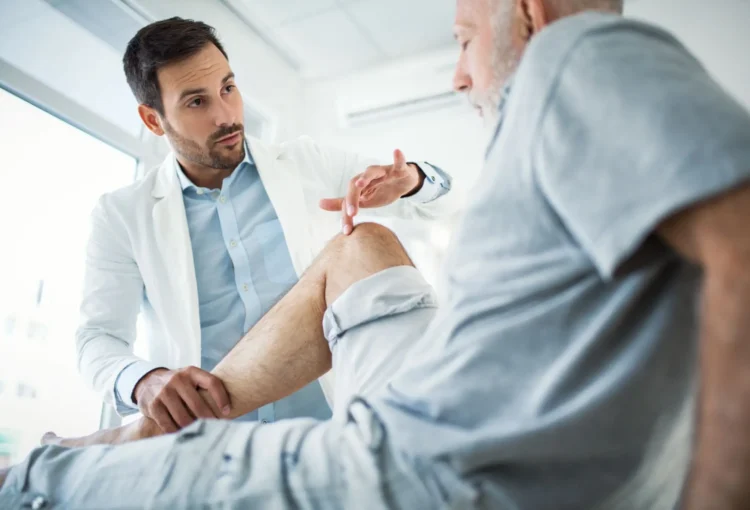
See an orthopedic specialist right away if your knee locks up, gives out during walking, or if pain and swelling get worse after weeks of rest. These are signs that your injury may need a different treatment approach.
A specialist can assess your knee stability through physical exams and an MRI, then help you decide whether non-surgical treatment for ACL tear recovery or reconstruction gives you the best chance at a full recovery.
Take the Next Step Toward Recovery
Many ACL tears, especially partial tears, respond well to ACL tear treatment without surgery when paired with disciplined rehabilitation. The key is getting an accurate diagnosis early and working with an experienced orthopedic team that respects your goals.
At OPA Ortho, our knee specialists help patients across the Seattle area find the right treatment path for ACL injuries, whether that means guided rehab or surgical reconstruction. Schedule a consultation today to get a personalized recovery plan built around your life.