
Torn ACL Recovery Timeline: How Long Does an ACL Tear Take to Heal?
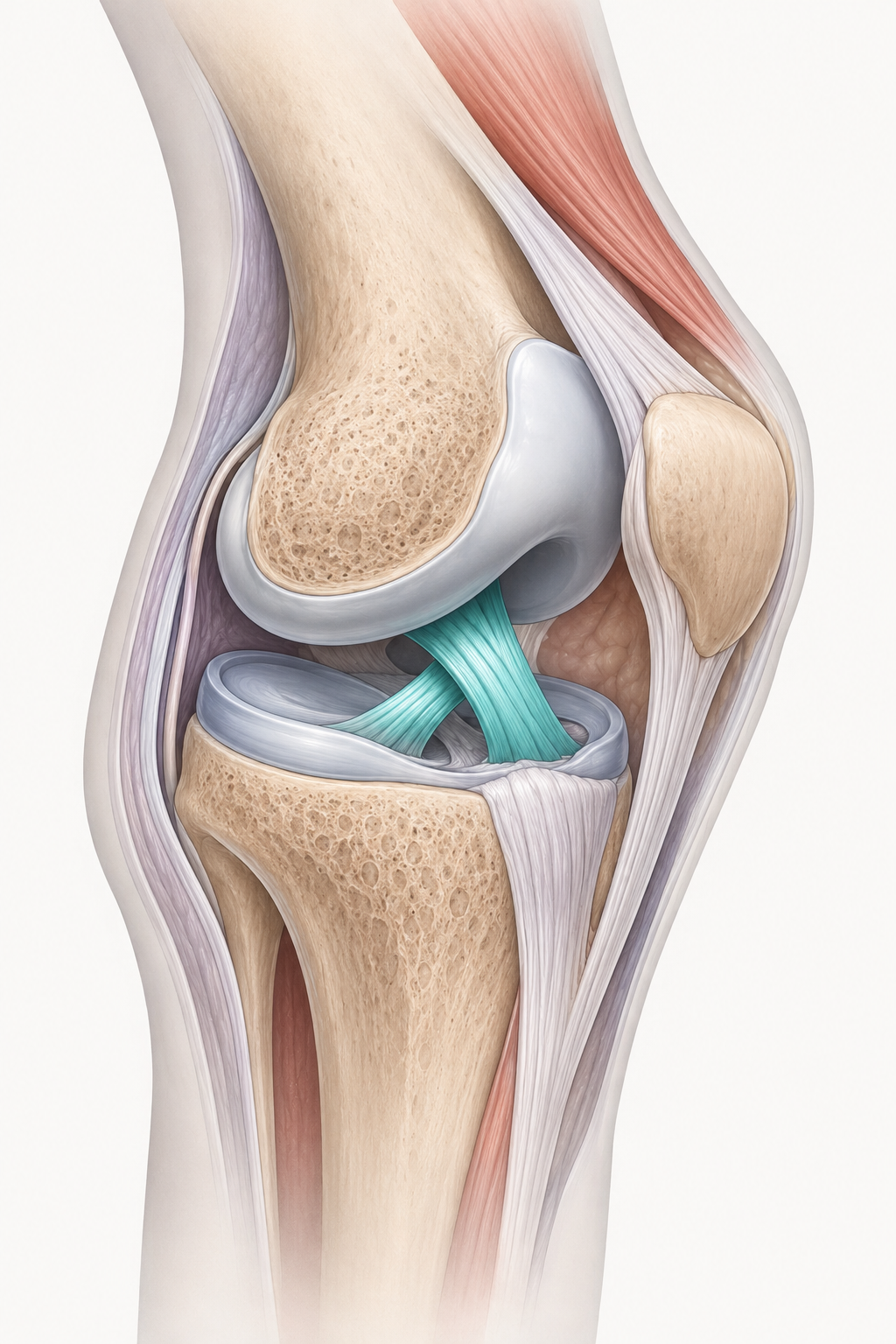
What Is an ACL Tear?
The anterior cruciate ligament, or ACL, runs through the center of your knee and keeps your shin bone from sliding forward under your thigh bone. It tears when the knee twists hard while your foot stays planted. One bad cut or awkward landing can tear it.
The moment it happens, most people want one answer. What’s my ACL surgery recovery time, and when do I get my knee back? The honest answer starts with what tore and what you want to return to, from stairs without thinking to full sport. Wherever your knee sits right now, the board-certified surgeons at OPA Ortho have treated this injury countless times and know the road back.
How Long Does an ACL Tear Take to Heal?
ACL surgery recovery time usually runs 6 to 12 months, and most surgeons won’t clear you for cutting or pivoting sports before the 9-month mark. Recovery without surgery moves faster, roughly 3 months of physical therapy to build a stable, functional knee, though the ligament itself does not grow back together.
Those are the honest ranges. Your number depends on the tear, the graft, your age, and how consistently you do the rehab work. Two patients can have the same operation on the same day and be months apart by summer.
ACL Surgery Recovery Time by Phase
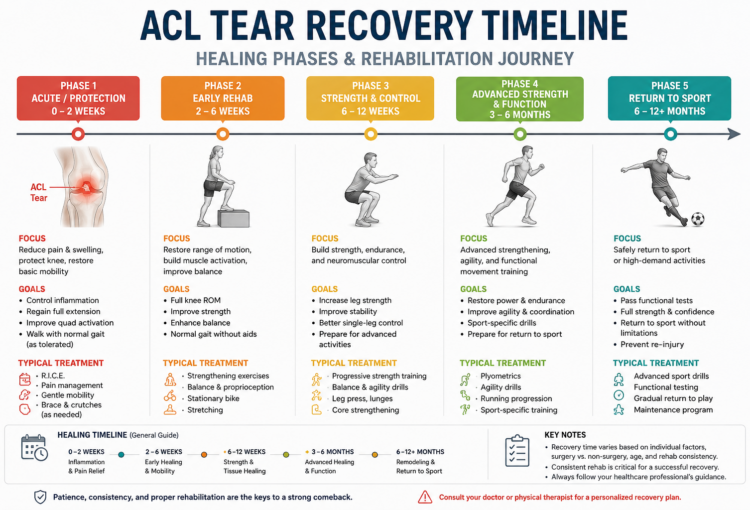
Surgical ACL recovery time follows a fairly predictable arc. The dates shift from person to person, but the order rarely does. And it starts before the operation. Going into surgery with a calm, straight, strong knee, what we call prehab, tends to shorten everything that follows.
- Weeks 1 to 2: Swelling and extension. The early job is simple. Get the swelling down, get the knee fully straight, and wake the quad muscle back up. Most patients walk with crutches now and put weight on the leg as tolerated.
- Weeks 2 to 6: Range of motion. Bending returns gradually, usually past 90 degrees within the first month. Most people set the crutches aside around the two-week mark and start stationary cycling once the bend allows it.
- Months 2 to 6: Strength. This is the long middle. Squats, leg presses, balance work, and by around month 3, light jogging in a straight line if your surgeon and therapist agree the knee is ready.
- Months 6 to 12: Return to sport. The graft heals all along, but it’s actually weakest around months 3 to 4, right when you start feeling good again. That mismatch is where reinjuries happen. Before clearing you for sport, most programs test hop distance, strength symmetry, and landing control.
Here’s the part patients don’t love hearing. Feeling ready and being ready are two different things. In our experience, the athletes who wait for the testing, not the calendar, are the ones who don’t come back with a second tear.
Recovery Without Surgery
Not every torn ACL ends in surgery, and if yours doesn’t, the timeline above shifts. Without a graft to protect, recovery is about building the muscles around the knee until the joint feels steady on its own. Many people get there. It depends on the tear and on what you need your knee to do.
Here’s the honest part. Skipping surgery isn’t automatically the easier road. A knee that keeps buckling can stall your progress and undo weeks of work. Whether it’s the right call for you is its own decision, and we walk through exactly who it fits in our guide to ACL tear treatment without surgery.
Factors That Affect ACL Recovery Time
Two knees, same surgery, very different timelines. Age and overall health matter, since younger tissue tends to heal faster. Graft choice matters too, because a patellar tendon graft and a hamstring graft recover on slightly different curves. Combined injuries slow everything down, and roughly half of ACL tears come with meniscus or cartilage damage. Pre-surgery motion plays a part as well. A stiff knee going in often means a stiff knee coming out.
The biggest factor is the one you control. Rehab consistency. Skipped physical therapy stretches your ACL surgery recovery time more reliably than almost anything else, and rushing back early is the most common reason a good graft fails.
When Can You Walk, Run, and Return to Sports?
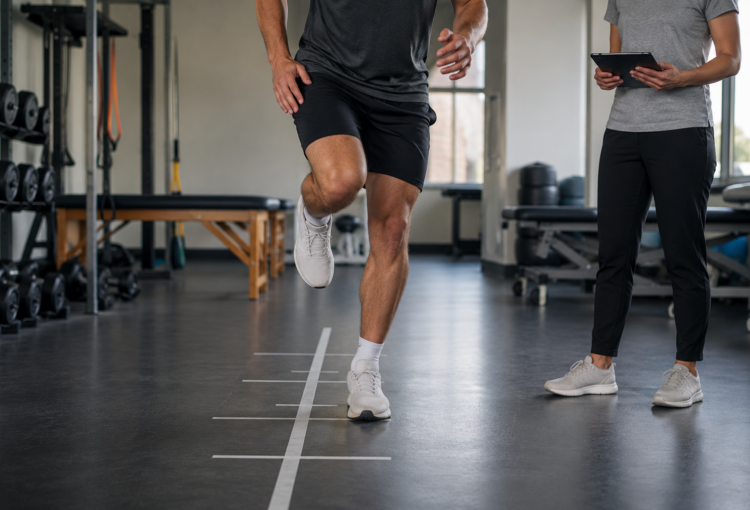
Walking comes first. Most patients bear weight within days and walk without crutches by about two weeks, usually with a brace early on. Running follows around month 3, straight-line only, and only after your quad strength earns it.
Sports are the long wait, and they set the outer edge of your ACL recovery time. Current evidence supports at least 9 months before returning to cutting and pivoting sports, and often 9 to 12. That isn’t caution for its own sake. Research has shown that reinjury rates drop sharply with each month of delay up to the 9-month mark, and athletes who go back early tear at far higher rates.
So when a patient asks me for a date, I give them a test instead. Pass the strength and hop testing, and the date takes care of itself.
Signs Your ACL Recovery Is Progressing Well
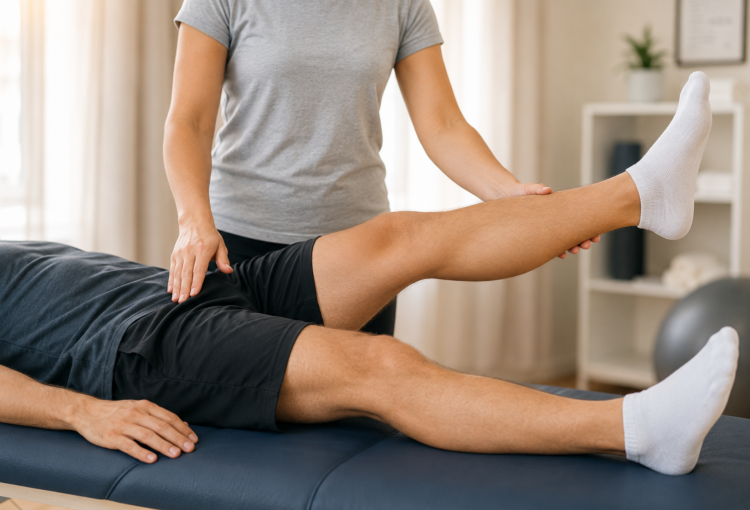
You can measure progress without an MRI. Swelling trends down week over week. The knee straightens fully and matches the other side. You can lift the leg straight without it sagging at the knee. You’re off crutches around week two and walking without a limp soon after. If you’re hitting your therapist’s milestones roughly on schedule, the recovery is on track.
Warning Signs That Require Medical Attention
A few symptoms should trigger a call to your surgeon the same day:
- Calf pain, swelling, or warmth, which can signal a blood clot
- Fever, or redness and drainage around the incisions
- Pain that climbs instead of fades after the first two weeks
- A knee that stops bending or straightening as far as it did
- A knee that gives way after you’ve finished rehab
Don’t wait these out. Early treatment keeps small problems small.
Frequently Asked Questions
How long are you on crutches after ACL surgery?
Most patients use crutches for one to two weeks. Your surgeon may extend that if you had a meniscus repair during the same operation.
Can you walk with a torn ACL?
Usually, yes, once the first wave of swelling settles. Walking isn’t the problem. Twisting and pivoting are, which is why some people walk fine for weeks before realizing something is wrong.
How painful is ACL recovery?
The first week is the hardest, and most patients manage with ice, elevation, and a short course of medication. Pain typically fades noticeably by week two. Rehab brings soreness, not sharp pain.
Can an ACL tear heal on its own?
On its own, a fully torn ACL stays torn. The ligament does not knit back together the way a pulled muscle does. What can change is the knee around it, since focused rehab lets some people walk, work, and even train without a reconstruction. That is a different question from whether the ligament healed. Dr. Christopher Wahl breaks down who actually needs ACL reconstruction if you’re weighing that call.
When can I return to sports after ACL surgery?
Plan on 9 to 12 months for cutting and pivoting sports. Your surgeon should gate the return with strength and hop testing rather than the calendar.